Guides
Choosing a cut flower sales channel strategy that fits farm capacity
Cut flower sales channel strategy guide covering channel fit, customer promises, labor, delivery, waste, pricing, capacity, records, and seasonal review.

Archive
Guides
Cut flower sales channel strategy guide covering channel fit, customer promises, labor, delivery, waste, pricing, capacity, records, and seasonal review.
Features
Flower farm case study: the five costing errors a fictional grower found behind its $11 wholesale bunch, and the worksheet lines each adds to your records.
Rules
Why a cut flower crop can look profitable yet leave cash tight: missing labor, culls, overhead, channel costs, discounts, and margin errors.
Maintenance
Cut flower business records checklist for tracking sales, crop costs, labor, inventory, channel expenses, reconciliations, and year-end records.
Reviews
Cut flower pricing methods compared across break-even, cost-plus, target return, competitor, customer-value, channel, volume, premium, and delivered pricing.
Guides
Calculate a ten stem zinnia bunch cost and wholesale price from units sold, variable costs, labor, overhead, break even volume, target margin, and scenarios.
Guides
Cut flower costing and pricing framework: choose enterprise units, estimate saleable output, map variable and fixed costs, calculate break-even, and review.
Features
A fictional cut flower crop mix case study shows how crop cards, buyer interviews, bed-week measures, and small trials can simplify production.
Rules
Crop-specific cut flower problems covering sunflower size, snapdragon timing, zinnia maturity, dahlia virus risk, weak stems, missed harvest, and culls.
Maintenance
Cut flower crop card checklist for cultivar identity, scheduling, propagation, spacing, support, inputs, harvest, postharvest tests, yield, labor, and sales.
Reviews
Selling cut flowers across the US Canada border means checking AIRS, confirming the importer of record, and matching invoices, labels, and origin records.
Reviews
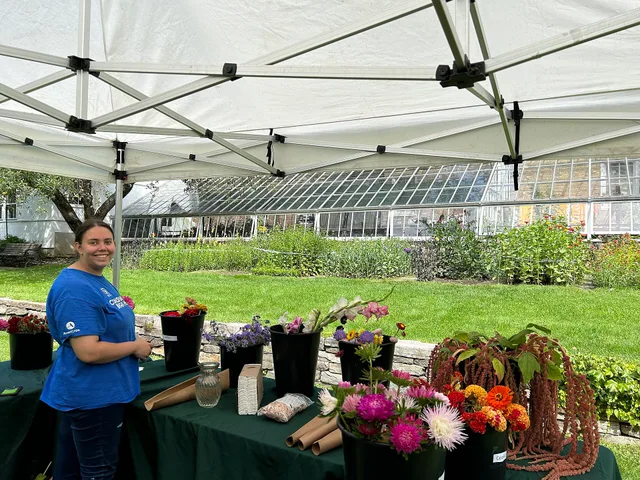
Day-of guide to selling cut flowers at a US farmers market: booth layout, bunch sizes, price signs, vendor rules, and realistic sell-through for a first season.
Reviews
A guide to selling cut flowers to florists in Canada: business registration, GST/HST and provincial tax accounts, and cost-based wholesale pricing.
Reviews
Snapdragon cut flower varieties compared for early Northeast harvests: Group 2 types like Potomac bloom first; Group 3 types such as Rocket add stem length later.
Reviews
Sunflowers, snapdragons, zinnias, and dahlias compared by season, stock, spacing, support, harvest pattern, labor, storage, risks, and market role.
Guides
Grow zinnias for cut flowers as a trial crop: choose cutting cultivars, prepare beds, set spacing, pinch, scout pests, test harvest maturity, and keep records.
Guides
Use a cut flower crop selection framework to match crops with customers, sales windows, climate, labor, bed time, production needs, and trial results.
Features
Cut flower IPM case study showing how a fictional farm replaced calendar sprays with mapped scouting, diagnosis, hot-spot controls, follow-up, and records.
Rules
A cut flower troubleshooting guide for pale or weak plants, stippled leaves, distorted tips, spots, wilting, and holes, plus how to prepare a diagnostic sample.
Maintenance
Cut flower IPM checklist for clean stock, scouting routes, pest identification, action points, control selection, pesticide labels, follow-up, and records.
Guides
Flower stall setup costs BC: compare illustrative equipment ranges, the canopy to buy first, and purchases that can wait through a first year.
Reviews
Cut flower pest control methods compared by cultural, physical, biological, and chemical type, with named pests, beneficial insects, active ingredients.
Guides
Dried flowers and fresh cuts compared for a small flower farm: a criteria table, gross revenue examples, labor and timing tradeoffs, and where each crop wins.
Guides
Extend cut flower season Alberta growers can manage without heat: the frost-free window is short, so low tunnels, frost cloth and hardy species carry the load.
Guides
Illustrative Midwest cut flower gross and net income per acre, a line by line direct cost table, labor per stem, and how market channel changes margin.
Guides
Overwinter ranunculus corms in zones 6-8: lift, dry, store cool, or fall plant under cover. Here is the sequence, squeeze test, and rot recovery.
Guides
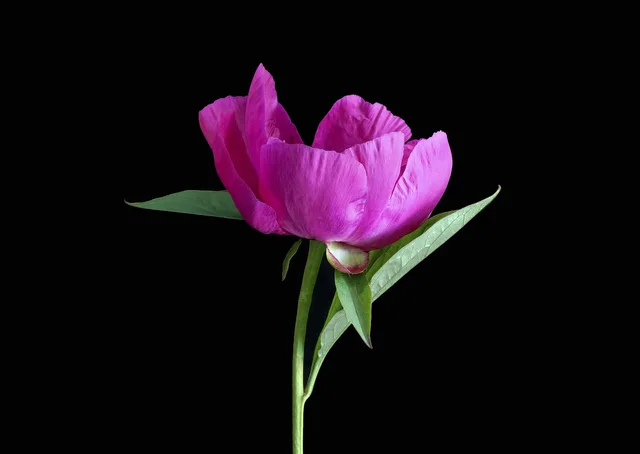
Plant peonies Ontario cut flowers: growers divide from late August to mid October, not spring. Learn the sequence, chill maths, and root checks.
Guides
Northeast USDA zones 5-6 snapdragons need an 8-10 week indoor start for early cut flowers. Sow mid-February to mid-March and transplant under cover.
Guides
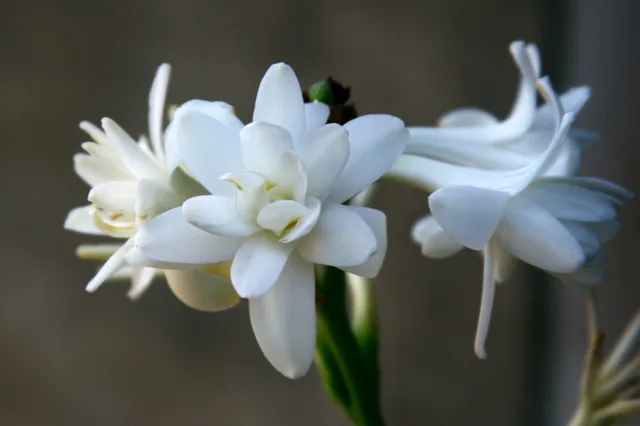
Tuberose vs peony cut flower: southern heat and humidity favor tuberose, while peony chill needs make it risky in USDA zones 8-9 from Georgia to Texas.
Guides
How a small flower farm prices a wedding: build a cost base from stems, labor, delivery and setup, work through an illustrative example, apply a markup, and set a deposit.
Features
Asheville farm-to-florist cut flower sales: seven questions growers ask, from finding florist accounts and what designers expect to pricing method and delivery.
Features
California Specialty Crop Block Grant cut flowers reach growers through CDFA, which administers USDA funds for floriculture projects, research, and marketing.
Reviews
Cut flower per stem wholesale versus florist pricing: a costed model with commissions, margins, and USDA benchmarks for US cut flower growers selling by the stem.
Features
Importing cut flowers into the US: CBP entry, APHIS port inspection, Colombia TPA duty rules, and why Section 8e, PACA and COOL do not cover flowers.
Rules
IRS Schedule F cut flower farm deductions start with reporting sales on Schedule F and writing off seed, plugs, cooler repair, and depreciation.
Features
New York Miami wholesale florist expectations differ by market. This grower guide covers delivery planning, grading, packing, cool chain, and drop triggers.
Guides
Pacific Northwest cut flower planting lists split cool-season and warm-season crops by Oregon and Washington growing conditions and monthly market windows.
Guides
A Portland Seattle cut flower market checklist for comparing market days, budgeting stall costs, checking local rules, and preparing your stand.
Guides
A repeatable early scouting routine for cut flower plantings: map blocks, inspect plants, count a defined unit, sample and flag, then recheck after action.
Rules
Texas farmers market cut flower vendor rules cover TDA licensing, labeling, sales tax, stall fees, and per-bunch pricing for growers selling blooms at market.
Guides
USDA hardiness zones and first-frost dates set the frame for a cut flower calendar, but your own bloom records and microclimate notes decide the planting weeks.
Guides
Cut flower IPM pointers for preventing, scouting, identifying, and managing common pests and diseases while protecting saleable stems.
Features
Cut flower postharvest case study showing how a farm corrected maturity, dirty buckets, warm packing, cooler hot spots, lost lot identity, and poor vase life.
Features
Cut flower succession case study of a fictional farm testing one planting interval against bloom timing, harvest capacity, market needs, and tunnel performance.
Features
Cut flower propagation case study follows a fictional grower using tray-weeks, sowing dates, lighting, watering, and hardening to manage nursery capacity.
Features
Cut flower soil recovery, illustrated by a fictional bed: how a grower maps symptoms, separates samples, matches actions to causes, and reviews a crop trial.
Features
Cut flower farm case study uses a fictional grower to illustrate how harvest, timing, bed-space, and labor records can guide a leaner crop plan.
Rules
Cut flower postharvest problems diagnosed by stage, including wilt, blocked stems, bent neck, petal drop, gray mold, cloudy water, chilling, and heat.
Rules
A practical guide to succession planting problems and season-extension risks, from compressed bloom and harvest gaps to tunnel heat, frost, pests, and costs.
Rules
Cut flower seedling problems include poor germination, damping-off, algae, legginess, scorch, nutrient symptoms, root binding, and transplant shock.
Rules
Field diagnosis of cut flower soil problems: compaction, poor drainage, soluble salts, pH, nutrient imbalance, excess compost, and surface crusting.
Rules
Cut flower growing mistakes often start before harvest. Learn ten common errors in planning, timing, soil, succession, support, watering, and sales records.
Reviews
Compare annuals, perennials, bulbs, and woody cut flower crops by establishment time, harvest pattern, space, labor, and risk before you plant.
Guides
An 11-step method to build a cut flower succession calendar: committed sales weeks, crop roles, backward timing, capacity checks, and task views.
Reviews
Compost vs fertilizer: how compost, manure, organic fertilizer, and synthetic fertilizer differ in nutrient certainty, release, watch points, and fit.
Maintenance
Use this cut flower fertility checklist to organize sampling, read lab reports, review compost, check fertilizer math, record applications, and monitor crops.
Maintenance
Cut flower garden checklist for site review, crop planning, bed prep, planting, weekly care, harvest, sales review, and end-of-season closeout.
Guides
Cut flower growing guide covering crop choice, bed planning, planting, support, irrigation, harvest standards, records, and first-season priorities.
Maintenance
This cut flower postharvest checklist template organizes crop-specific harvest, conditioning, cooling, packing, transport, lot records, and vase tests.
Maintenance
Cut flower season extension checklist for crop goals, tunnel sites, structure, covers, irrigation, ventilation, frost response, pest scouting, and records.
Maintenance
Cut flower seed starting checklist for a small nursery: schedules, seed lots, sanitation, medium, temperature, light, watering, thinning, hardening, and logs.
Guides
Cut flower propagation guide: sow zinnias at 70–75°F, snapdragons at 65–70°F, harden 7–14 days, and track lots from seed to field-ready transplant.
Guides
Cut flower soil and fertility guide covering tests, structure, organic matter, pH, nutrients, compost, fertilizer calculations, monitoring, and records.
Guides
Cut flower succession planting planning factors for sales weeks, crop roles, harvest timing, protection choices, tunnels, and season extension.
Reviews
Direct seed, transplant, cutting, and division compared for cut flower crops by genetic consistency, timing, labor, equipment, root disturbance, cost, and scale.
Guides
Harvest and condition cut flowers with a 14-step crew workflow: order check, clean buckets, solution records, lot labels, cooling, grading, and a vase test.
Guides
Plan a cut flower bed by measuring space, checking soil and sun, assigning bouquet roles, arranging rows, setting up support, and keeping weekly records.
Reviews
Row covers, low tunnels, high tunnels, and greenhouses compared for cut flower frost protection, rain shelter, control, ventilation, labor, capital cost, and scale.
Guides
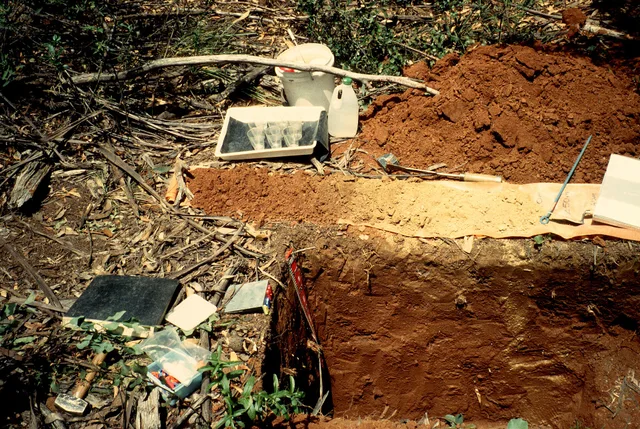
Soil sampling for cut flower beds explained step by step, including zone mapping, clean tools, consistent depth, composite mixing, labels, and reports.
Guides
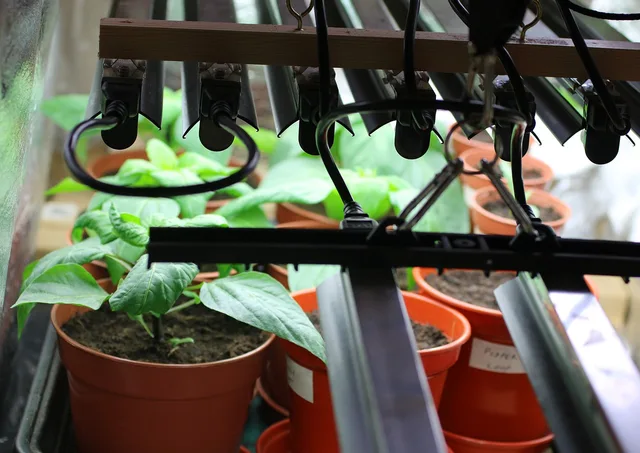
Start cut flower seeds under lights: Extension light distances and hours, counting trays for peak load, airflow, temperature and fixes for leggy growth.
Reviews
Cut flower wet vs dry storage compared: see how crop sensitivity, storage time, cooling, packing, water quality, and delivery route shape each method.