Reviews
Part of 7 things to weigh up on cut flower growing
What to check when choosing cut flower crop types: annuals, perennials, bulbs, and woody stems
Compare annuals, perennials, bulbs, and woody cut flower crops by establishment time, harvest pattern, space, labor, and risk before you plant.
What to take away
- Annuals offer fast change and repeated sowing but require yearly establishment.
- Perennials trade a slower start for multi-year production and fixed bed space.
- Bulbs and storage organs can deliver concentrated seasonal crops with specific handling needs.
- Woody stems widen the calendar but take longer to establish and occupy permanent ground.
- A resilient cutting plan mixes crop types instead of asking one category to do every job.
Growers often compare flower names when they should first compare production systems. A zinnia, peony, tulip, and flowering branch all become cut stems, yet they tie up land, cash, labor, and storage in very different ways.
The useful question is not which category is best. It is which category fits the sales window, site tenure, available labor, and time the grower can wait for a return.
Side-by-side comparison
Establishment
- Annuals
- Seed or transplant each cycle
- Herbaceous perennials
- Crowns, plugs, divisions, or seed
- Bulbs, corms, and tubers
- Planted storage organs
- Woody plants
- Shrubs or trees
Main strength
- Annuals
- Fast, flexible, broad choice
- Herbaceous perennials
- Multi-year return from one bed
- Bulbs, corms, and tubers
- Concentrated, recognizable crop
- Woody plants
- Branching material and extended seasons
Main constraint
- Annuals
- Repeated nursery and bed labor
- Herbaceous perennials
- Slow establishment and fixed placement
- Bulbs, corms, and tubers
- Purchase, lifting, storage, or disease risk
- Woody plants
- Long wait and permanent space
Best planning use
- Annuals
- Core seasonal production and trials
- Herbaceous perennials
- Reliable seasonal specialties
- Bulbs, corms, and tubers
- Early or premium seasonal windows
- Woody plants
- Foliage, flowering branches, fruiting stems
Annuals: flexible and record friendly
An annual completes its life cycle in one growing season. That makes annual beds easy to redesign after results are known. Growers can change color, cultivar, density, or crop the next year without removing an established crown.
Annual crop recurring tasks
- Seed ordering
- Propagation
- Bed preparation
- Transplanting
- Labels
- Removal
Annuals also support succession planting. A fast crop may be sown several times so fresh blocks enter production as older ones decline. The tradeoff is recurring labor: seed ordering, propagation, bed preparation, transplanting, labels, and removal happen again each cycle.
Cold tolerance varies within the category. Illinois Extension's annual flower classification distinguishes hardy annuals that tolerate cold soil and light frost, half-hardy annuals damaged by frost, and tender annuals that need warm soil and air. That distinction makes the word "annual" too broad to determine a planting date by itself.
Use annuals when you need quick variety trials, long-stemmed summer production, or the freedom to change a bed next season. They are less attractive when nursery space or spring labor is already overloaded.
Perennials: delayed return, repeated harvest
Herbaceous perennials survive beyond one season where climate and care suit them. They can reduce yearly planting work after establishment and provide flowers that are hard to reproduce as quick annual crops.
Perennial bed planning checks
- Winter hardiness
- Drainage
- Mature spread
- Disease history
- Productive life
- Harvest yield
Their costs arrive early. Crowns or plugs may be expensive, beds can need a season or more before full harvest, and poor placement is harder to correct. Some kinds require division, staking, or a planned period without cutting so plants rebuild reserves.
Treat perennial beds as longer commitments. Confirm winter hardiness, drainage, mature spread, disease history, expected productive life, and realistic harvest yield. Do not fill prime ground with an untested perennial merely because it returns each year.
Bulbs, corms, rhizomes, and tubers: scheduled bursts
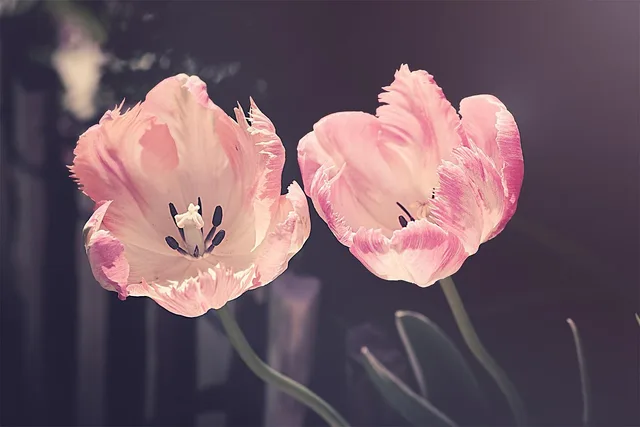
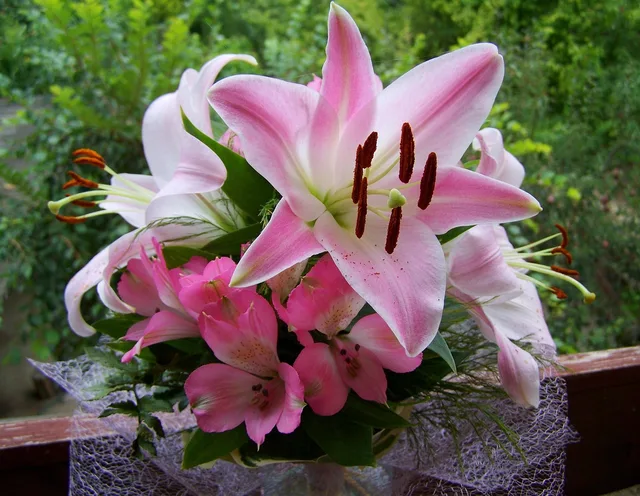
Storage organs hold reserves that can power a concentrated display. Tulips, lilies, gladiolus, and dahlias illustrate very different systems within this broad group. Some are planted in fall, some in spring, some are harvested in a way that consumes the bulb, and some may be lifted and stored.
Bulb crop plan must include
- Purchasing
- Planting depth
- Cooling or winter
- Support
- Harvest method
- Sanitation
- Storage losses
This category can match high-value dates, but the crop plan must include purchasing, planting depth, cooling or winter requirements, support, harvest method, sanitation, and storage losses. A cheap unit price is not a cheap finished stem if many units fail or require repeated handling.
Woody stems: structure across more months
Shrubs and small trees can provide blossom, foliage, berries, colored bark, or unusual form. They may widen a farm's calendar beyond annual-flower peaks and supply the structural material florists need. Growers chasing the same extra weeks with equipment instead of genetics compare row covers, tunnels, and greenhouses first.
Woody crop planning needs
- Patience for years
- Disciplined pruning
- Access for branch removal
- Allow mature width
- Protect irrigation lines
Woody crops require patience and disciplined pruning. The first saleable harvest may be years away, and the planting remains in place while markets change. Plan access for pruning and branch removal, allow mature width, and protect irrigation lines from future roots and equipment.
Choose by the constraint that matters
Use this decision order:
- Sales window:Which weeks need stems?
- Site horizon:Will you control the land long enough for permanent crops?
- Cash timing:Can the operation wait for a perennial or woody return?
- Labor shape:Is labor available for annual propagation or seasonal lifting?
- Storage:Can bulbs and tubers be held under suitable conditions?
- Customer fit:Does the buyer want mixed bunches, event colors, or specialty stems?
Illinois Extension's overview of cut flowers for indoor use groups suitable plants across annuals, perennials, bulbs, grasses, and shrubs and emphasizes vase life as a selection factor. That is the commercial bridge between categories: whatever its life cycle, a crop must still perform after cutting.
Build a mixed portfolio
A new grower might use annuals for most first-year volume, add a small bulb trial for an early window, and reserve limited permanent space for proven perennials. Woody plants can follow after customer demand and land security are clearer.
Measure each category on the same basis: usable stems, bed area, time, direct costs, loss rate, sale price, and weeks of occupancy. A perennial should not be called free after establishment, and an annual should not be called cheap because the seed packet cost little.
Common questions
Are dahlias annuals or perennials?
Botanically they are tender perennials. In cold climates, growers often lift and store the tubers or replace them, so the field workflow can resemble an annual cycle.
Do perennials always cost less over time?
No. Purchase price, establishment failures, maintenance, division, disease, land occupancy, and declining yield all affect lifetime cost.
Which category is safest for a first season?
Several well-documented annuals usually provide quick feedback, but local climate, nursery capacity, and target market should decide the mix.
Can woody crops be grown in a small garden?
Yes, if mature size and access are planned. Compact space increases the cost of choosing a shrub that becomes too large or shades other beds.