Rules
Why does a flower sales channel sell out on paper yet still not pay the farm?
Cut flower sales channel problems diagnosed by symptom, evidence, likely cause, containment, lasting correction, and records needed to confirm recovery.

Section
Rules
Cut flower sales channel problems diagnosed by symptom, evidence, likely cause, containment, lasting correction, and records needed to confirm recovery.
Rules
Why a cut flower crop can look profitable yet leave cash tight: missing labor, culls, overhead, channel costs, discounts, and margin errors.
Rules
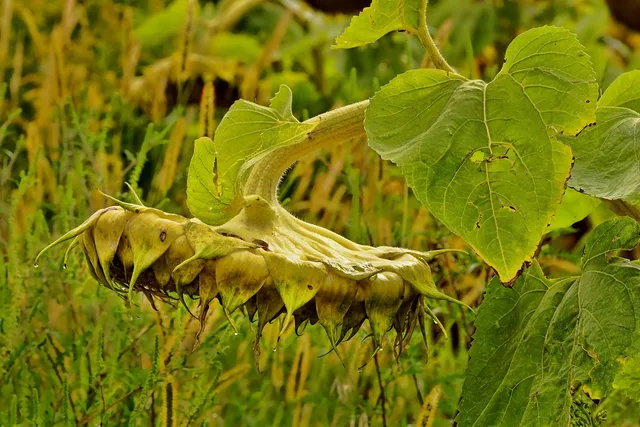
Crop-specific cut flower problems covering sunflower size, snapdragon timing, zinnia maturity, dahlia virus risk, weak stems, missed harvest, and culls.
Rules
A cut flower troubleshooting guide for pale or weak plants, stippled leaves, distorted tips, spots, wilting, and holes, plus how to prepare a diagnostic sample.
Rules
IRS Schedule F cut flower farm deductions start with reporting sales on Schedule F and writing off seed, plugs, cooler repair, and depreciation.
Rules
Texas farmers market cut flower vendor rules cover TDA licensing, labeling, sales tax, stall fees, and per-bunch pricing for growers selling blooms at market.
Rules
Cut flower postharvest problems diagnosed by stage, including wilt, blocked stems, bent neck, petal drop, gray mold, cloudy water, chilling, and heat.
Rules
A practical guide to succession planting problems and season-extension risks, from compressed bloom and harvest gaps to tunnel heat, frost, pests, and costs.
Rules
Cut flower seedling problems include poor germination, damping-off, algae, legginess, scorch, nutrient symptoms, root binding, and transplant shock.
Rules
Field diagnosis of cut flower soil problems: compaction, poor drainage, soluble salts, pH, nutrient imbalance, excess compost, and surface crusting.
Rules
Cut flower growing mistakes often start before harvest. Learn ten common errors in planning, timing, soil, succession, support, watering, and sales records.