A broad overview can leave the decisive question unanswered. Mason C. Parker is the editorial byline assigned to this area. Subject: Growing and Selling Plants and Cut Flowers: sell, flora. Background, definitions and the interpretation of available information belong to this editorial remit. The aim is to separate what the sources establish from what they leave open. This is an editorial pen name used by the publication, not a claim of an independently verified personal identity.
U.S. flower farm compliance and recordkeeping checklist: questions to ask federal and state agencies about labor, pesticides, sales, shipping, and records.
What USDA organic rules and the FTC Green Guides say about flower marketing claims, how to define a local origin, and the evidence to keep for each claim.
How to build flower farm records: a record inventory, stable crop and lot IDs, field capture, pesticide and labor logs, tax retention periods, and correction checks.
Selling cut flowers across the US Canada border means checking AIRS, confirming the importer of record, and matching invoices, labels, and origin records.
Fresh and dried cut flowers compared with Utah, Tennessee and New Jersey extension and grant data: net income per square foot, statice pricing, drying time and labor.
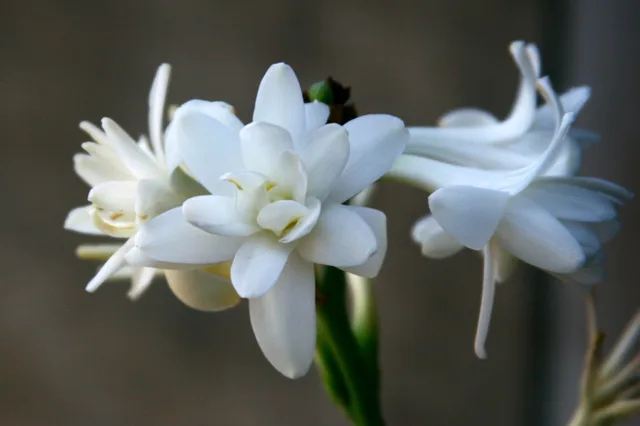
Tuberose vs peony cut flower: southern heat and humidity favor tuberose, while peony chill needs make it risky in USDA zones 8-9 from Georgia to Texas.
California Specialty Crop Block Grant cut flowers reach growers through CDFA, which administers USDA funds for floriculture projects, research, and marketing.
Cut flower per stem wholesale versus florist pricing: a costed model with commissions, margins, and USDA benchmarks for US cut flower growers selling by the stem.
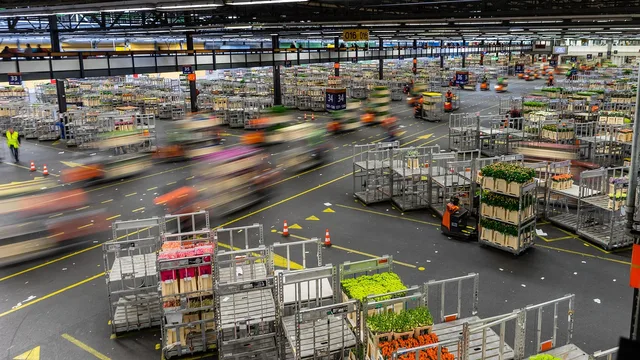
New York Miami wholesale florist expectations differ by market. This grower guide covers delivery planning, grading, packing, cool chain, and drop triggers.
Pacific Northwest cut flower planting lists split cool-season and warm-season crops by Oregon and Washington growing conditions and monthly market windows.
USDA hardiness zones and first-frost dates set the frame for a cut flower calendar, but your own bloom records and microclimate notes decide the planting weeks.
Decide buyer, stem length and bed size first, then lay out a first cut flower bed with extension figures for bed width, spacing, netting and irrigation.
Build a succession plan from committed sales weeks and your own harvest records, then compare row cover, low tunnels, high tunnels and greenhouses for frost cover and labor.
Field-to-buyer handling for cut flowers: harvest stage, clean buckets, hydration, cooling, grading, when wet or dry storage wins, and how to run a vase test.
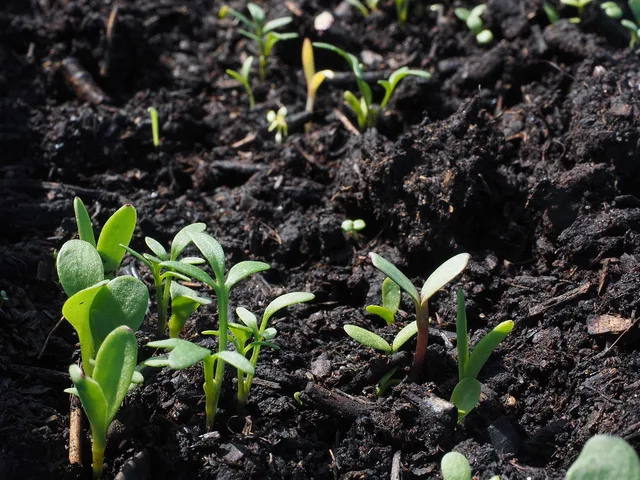
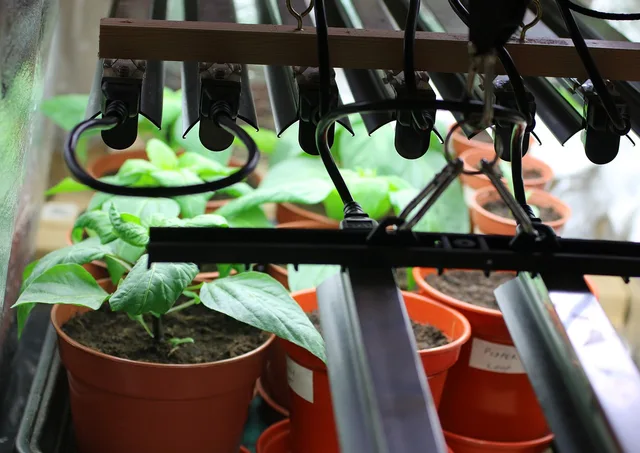
Size a seed-starting rack for peak tray load, set light distance, hours and airflow from extension sources, and diagnose damping-off, legginess and gnats.