Reviews
Part of Cut flower succession planting: planning factors
Season extension structures compared: row cover, tunnels, and greenhouse
Row covers, low tunnels, high tunnels, and greenhouses compared for cut flower frost protection, rain shelter, control, ventilation, labor, capital cost, and scale.
What to take away
- Row cover is the cheapest layer, typically $0.10 to $0.25 per square foot, and buys 1 to 3 weeks at 2 to 6 F of frost protection.
- Low tunnels cost about $0.75 to $2.00 per square foot and add 2 to 4 weeks, but they need venting most mornings.
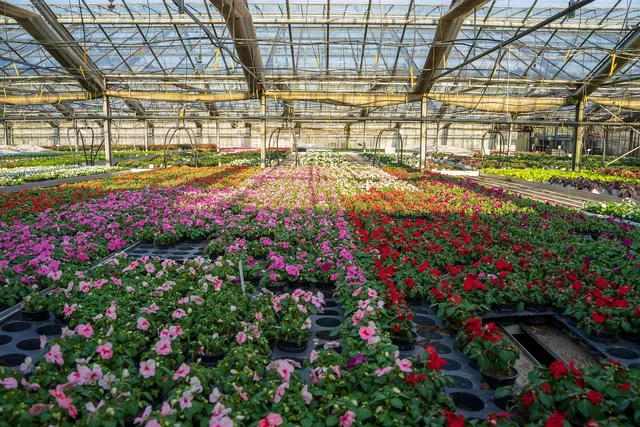
- High tunnels run roughly $2.50 to $7.00 per square foot installed and extend harvest 3 to 8 weeks, largely by excluding rain.
- Heated greenhouses cost $10 to $30 or more per square foot and suit propagation and winter stems rather than field production.
- Pick the smallest structure that closes your real frost window, then trial one block before you buy more.
Four structures, two kinds of control
Row cover and low tunnels are temporary layers laid over field beds. A high tunnel is a permanent walk-in frame with roll-up sides and no heat source. A greenhouse adds heat, fans and set points.
The choice that decides your budget is not warmth. It is how many minutes a day somebody spends managing air.
The comparison table
Costs below are typical US ranges for new materials, not quotes.
Typical cost, US
- Floating row cover
- $0.10 to $0.25 per sq ft
- Low tunnel
- $0.75 to $2.00 per sq ft
- High tunnel
- $2.50 to $7.00 per sq ft installed
- Heated greenhouse
- $10 to $30 or more per sq ft
Frost protection
- Floating row cover
- 2 to 6 F
- Low tunnel
- 5 to 10 F
- High tunnel
- 4 to 8 F at night, plus rain exclusion
- Heated greenhouse
- Control to a set point
Weeks added
- Floating row cover
- 1 to 3
- Low tunnel
- 2 to 4
- High tunnel
- 3 to 8
- Heated greenhouse
- Year round with light and heat
Daily labor
- Floating row cover
- 10 to 30 min per block
- Low tunnel
- 15 to 40 min
- High tunnel
- 30 to 60 min
- Heated greenhouse
- 1 to 2 hours
Ventilation
- Floating row cover
- Hand removal on warm days
- Low tunnel
- Open ends and vents before midday
- High tunnel
- Roll sides morning and afternoon
- Heated greenhouse
- Automated vents and fans
Scale suited to
- Floating row cover
- Under 0.5 acre, a few beds
- Low tunnel
- 0.25 to 1 acre in tight blocks
- High tunnel
- 0.5 to 2 acres, market stand
- Heated greenhouse
- Propagation, winter stems
[figure 1]
Season Extension Systems Compared
Row cover
- Heat source
- Stored soil heat
- Rain protection
- Limited
- Access
- Remove or lift
- Commitment
- Low
- Main risk
- Contact injury
Low tunnel
- Heat source
- Solar, inner layers
- Rain protection
- Moderate
- Access
- Open sections
- Commitment
- Low to moderate
- Main risk
- Temperature swings
High tunnel
- Heat source
- Passive solar
- Rain protection
- Strong
- Access
- Walk-in
- Commitment
- Moderate to high
- Main risk
- Ventilation, salts
Greenhouse
- Heat source
- Designed systems
- Rain protection
- Strong
- Access
- Walk-in
- Commitment
- High
- Main risk
- Energy, controls
Used hoops and salvage film cut the low tunnel figure sharply. A 30 by 96 ft high tunnel kit commonly sells for about $4,000 to $9,000 before site work and installation.
Utah State University Extension's guide to extending the garden season compares these tools by cost, protection and management, and notes that a high tunnel can hold low tunnels inside for another layer.
Every step up the ladder only pays if the planting schedule behind it holds, so read the succession planting and season extension guide before ordering hoops.
What row cover weight buys you
Fabric is sold by weight. A 0.5 oz per square yard cover lifts canopy temperature by roughly 2 to 4 F. Mid-weight 1.0 to 1.5 oz fabric adds 4 to 6 F. Heavy 2.0 oz covers hold 6 to 8 F but cut more light.
Doubling fabric over hoops adds protection without a new frame. Anchoring matters more than thickness, so weigh edges with sandbags or soil and keep a repair roll on hand.
Cover resting on tall stems bruises blooms in wind. Scout whenever you uncover, because pests build in still air.
Costs, and what the extra weeks are worth
Capital is only part of the bill. Film, hoop wire, anchors, repairs and daily minutes recur every season. A five-week extension on a low-value crop can cost more than it earns.
Purdue Extension's cut flower production budget worksheet works the same arithmetic per acre, which is the honest unit for judging a structure.
Match each block to the cover it needs with the nine-point season extension operations checklist, which covers irrigation, anchoring and snow load.
Price the protected stems, not the structure. A tunnel that adds four weeks of a crop nobody buys in April has added cost, not revenue.
A decision rule you can apply today
- Write down your frost dates and the lowest temperature your crop tolerates.
- Value one bed of that crop at the price you actually get.
- Count the crew minutes available every day for opening and closing.
- Choose the cheapest structure that covers the window within that labor.
- Record temperatures, first harvest and stems sold from one trial block.
If the crop cannot pay for the cover in one season, the cover is a hobby.
A structure with no calendar behind it still fills with weeds. Work backward from your sales weeks with the succession calendar method before you spend on hoops.
Example: snapdragons and ranunculus in central Iowa
In central Iowa, USDA zone 5b, the last spring frost usually lands in the first ten days of May. Snapdragons started indoors six to eight weeks earlier can go into low tunnels in mid April.
Ranunculus corms planted under a high tunnel in late March bloom from mid May, about three weeks ahead of field-planted corms. Row cover over the low tunnel adds 2 to 4 F on the coldest nights.
That pairing targets a May window when few local stems are cut, and it needs no heat.
Labor and ventilation, day by day
Low tunnels are the labor trap. A sealed tunnel can pass 100 F by late morning on a sunny April day, so ends and vents open before the crew starts anything else.
Penn State Extension's high tunnel production guidance treats scheduling and ventilation as core tasks and warns that internal covers trap heat over the crop.
High tunnel sides roll up by mid morning and close again before evening temperatures drop. Greenhouses hand that work to sensors and fans but add failure points.
A stuck vent or a power cut can damage a crop within an hour. Cuts from protected beds still need fast cooling, and the cutting to cooler checklist covers that first hour.
Common questions
Which structure protects most per dollar?
Row cover wins on cost per degree for a window of two weeks or less, because fabric and anchors are cheap. Past four weeks of protection, a high tunnel usually beats stacked row cover on labor alone.
Is a high tunnel a greenhouse?
They look alike, but a high tunnel is passively heated and usually has roll-up sides. Cost-share programs and building codes may define them differently.
Can I grow cut flowers year round under cover in a cold climate?
Not without heat and light. A high tunnel shifts the calendar by weeks, not by seasons. Winter stems in zone 4 or 5 need a heated greenhouse and a paying market.
What scale does a high tunnel suit?
Roughly 0.5 to 2 acres of production, or one market stand's worth of stems. Below that, low tunnels and row cover usually return more per dollar.