Guides
How to extend the cut flower season in Alberta without a heated greenhouse
Extend cut flower season Alberta growers can manage without heat: the frost-free window is short, so low tunnels, frost cloth and hardy species carry the load.
What to take away
- Most of Alberta sits in the 90 to 120 day frost-free band, so an unheated structure buys days at the edges, not a second summer.
- Low tunnels, frost cloth and caterpillar tunnels extend harvest by roughly two to four weeks in spring and three to five weeks in autumn, depending on your risk tolerance.
- Cold hardy cut flowers Canada growers already trust, including snapdragons, bupleurum, bells of Ireland and Icelandic poppies, do the heavy lifting.
- Tender crops such as zinnias, dahlias and tuberose are ruled out of any unheated plan that aims past the first hard frost.
- The limit is temperature, not effort. Once nights sit below minus 5 C for several hours, fabric and plastic stop paying for themselves.
The constraint in measurable units
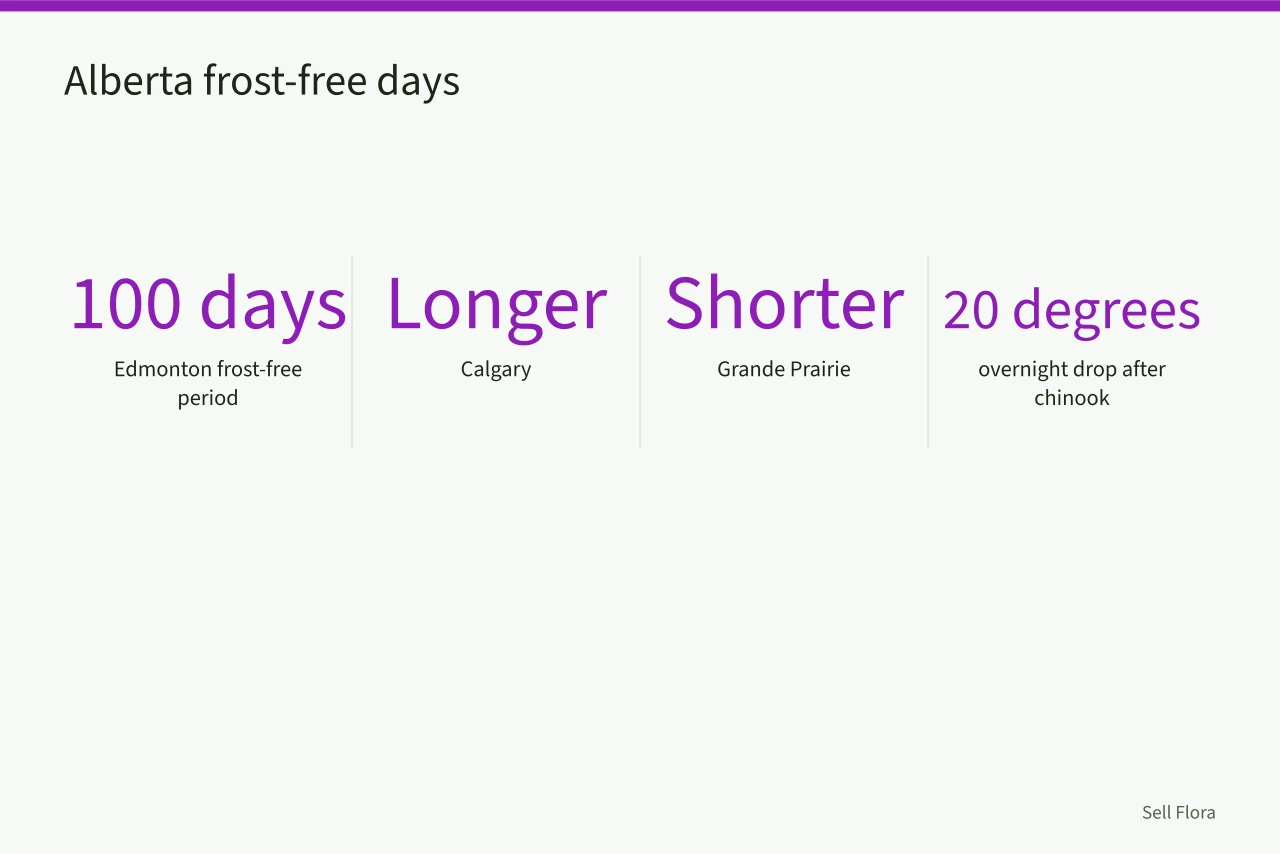
Alberta's growing season is the constraint. Environment and Climate Change Canada normals put the average frost-free period for the Edmonton region near 100 days, with Calgary slightly longer and Grande Prairie shorter. Chinooks complicate the picture: a January thaw can push daytime temperatures above 10 C, then drop 20 degrees overnight.
That swing matters more than the average. Plants harden and deharden repeatedly, and tissue that has lost cold acclimation dies at temperatures it would otherwise survive. The practical number to watch is the overnight low, not the daytime high. Track it from late August and you know your real harvest end date.
For background on how growers elsewhere protect crops without heat, see season extension techniques.
What still works without heat
Unheated protection works when it traps radiant heat and blocks wind. A low tunnel of 1.2 metre hoops under 30 gram frost cloth holds two to four degrees of frost protection on a still night. A caterpillar tunnel with a second layer does better, closer to five or six degrees.
Wind is the Alberta variable most US guides miss. A chinook strips fabric, snaps hoops and desiccates stems. Anchor every hoop, bury the edges, and choose a site with a windbreak on the prevailing west side.
What survives inside that protection is a specific list. Snapdragons tolerate light frost once hardened. Bupleurum, bells of Ireland, ornamental kale and stock all carry into October in a tunnel. For the sowing side, when Northeast growers start snapdragons gives timing you can shift earlier for a colder spring.
Substitutions that hold up
Cold frames built from scavenged windows are the cheapest real option. They suit low crops and hardening off transplants, and they cost almost nothing if you already have the glass.
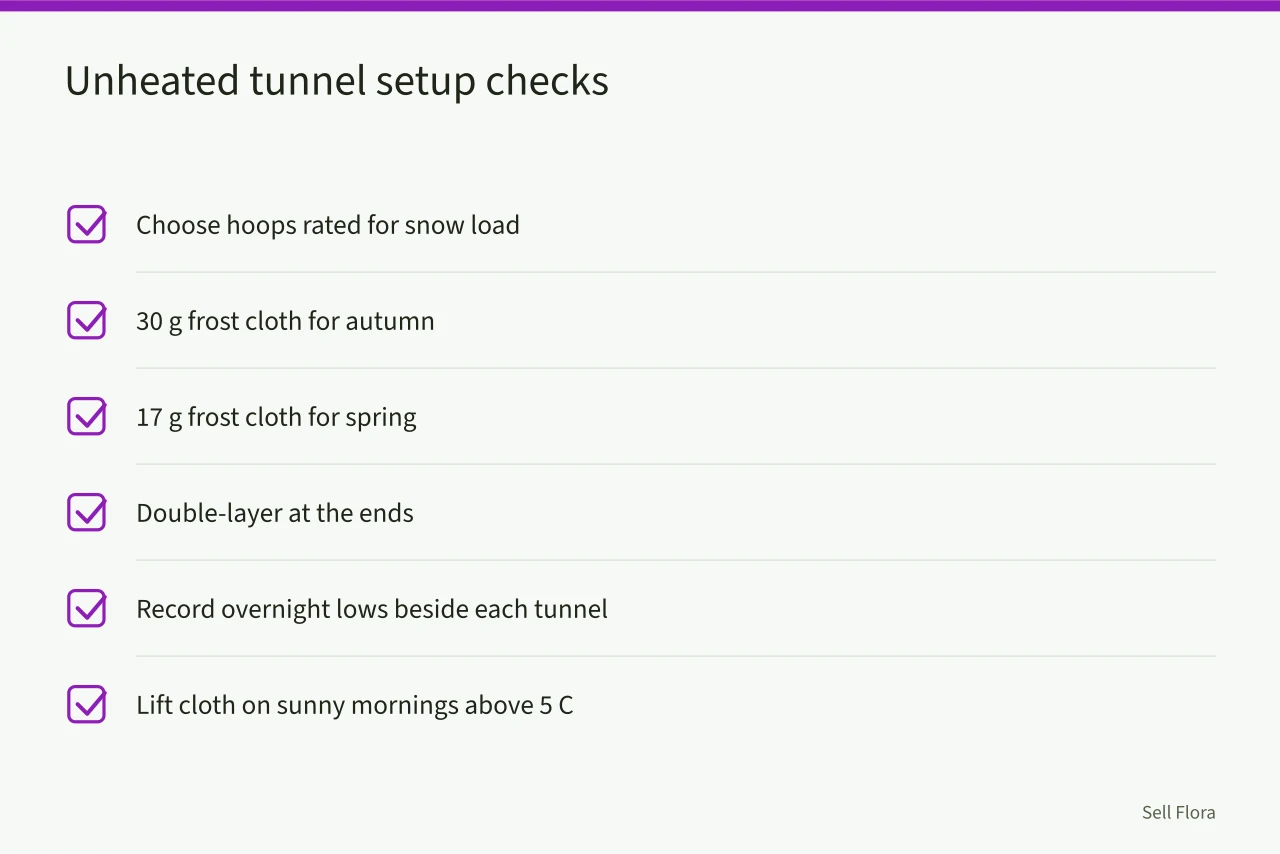
- Choose hoops rated for snow load, not just wind
- Use 30 g frost cloth for autumn, 17 g for spring
- Double-layer at the ends, where cold pools
- Record overnight lows beside each tunnel
- Lift cloth on sunny mornings above 5 C
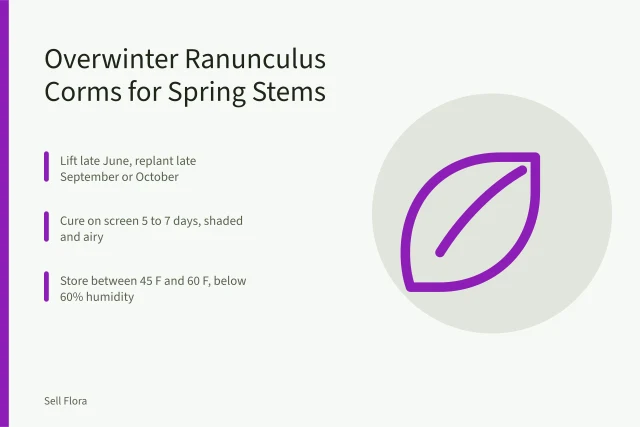
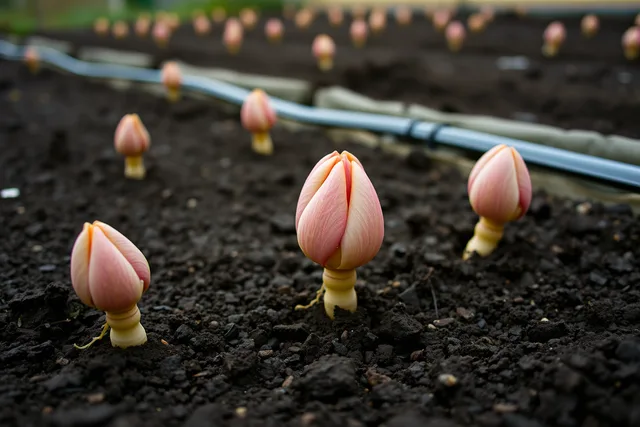
A second substitution is species. If you cannot heat, grow what Alberta already grows well. Peonies overwinter reliably and command strong prices in the late June gap. Ranunculus corms can be started under cover and lifted before the ground freezes, which overwintering ranunculus corms for spring flowers explains in detail.
A third is timing. Succession sow hardy annuals every two weeks from early April, so a late frost takes one block rather than the whole crop.
Substitutions that do not
Do not substitute a heated greenhouse with a plastic-wrapped carport or a tarp over hoops. It is not recommended. Single-skin plastic over an unventilated frame condenses, freezes at the leaf surface, and kills plants faster than open air. It also fails structurally under the first wet snow.
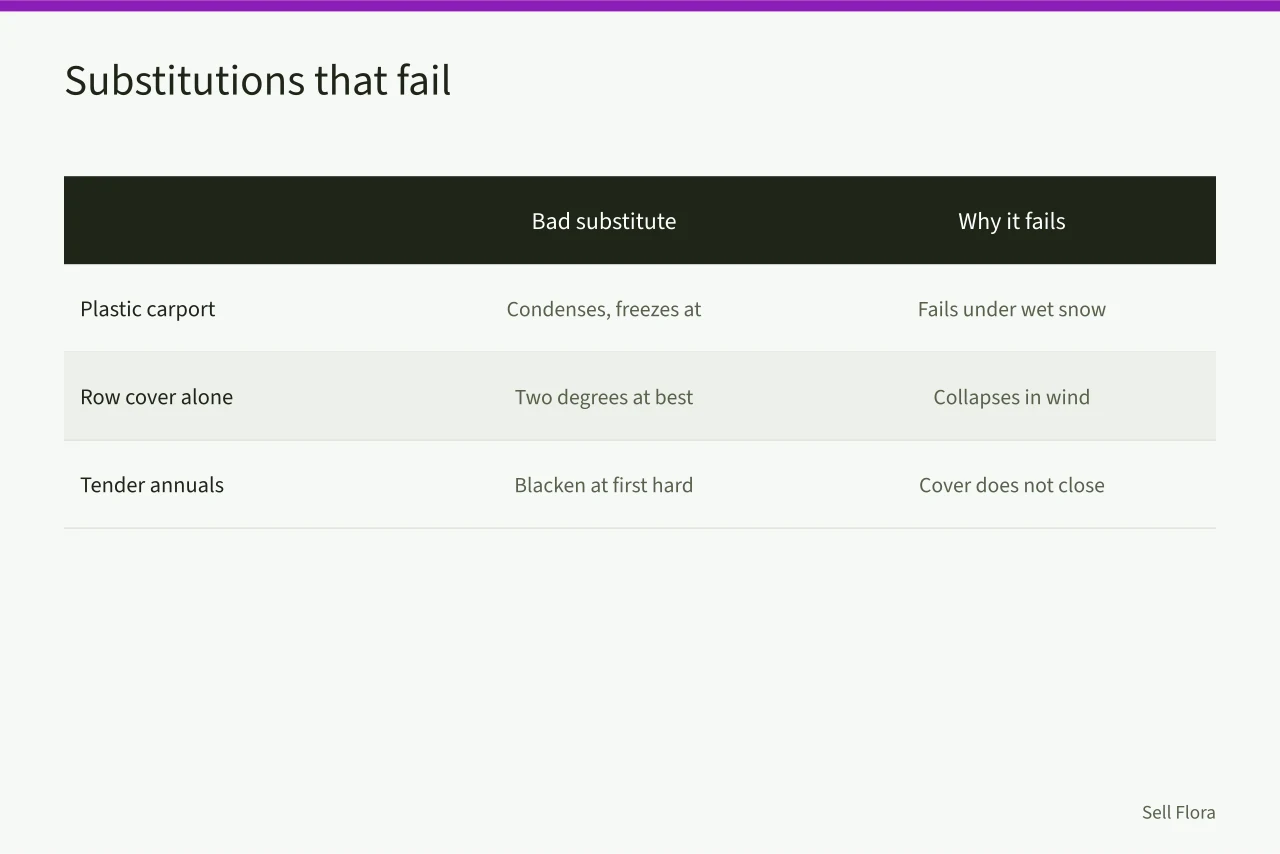
Do not substitute row cover for a tunnel and expect the same result. Fabric alone gives two degrees at best and collapses onto stems in wind.
Do not substitute tender annuals for hardy ones and hope the tunnel closes the gap. Zinnias and dahlias blacken at the first hard frost regardless of cover. If your market wants them, buy them in, or accept a September end.
When to stop improvising
Stop when the cost of protection exceeds the value of the stems inside. A 30 metre low tunnel with hoops and cloth runs roughly 300 to 600 dollars in materials, which is illustrative. That is worth it if it carries 200 or more saleable stems into October at 1.50 to 3 dollars each.
Stop when you are losing sleep over nightly cloth management. Unheated protection demands daily attention, and a missed evening costs a week of harvest.
Stop when the forecast shows consecutive nights below minus 5 C. At that point, pull the crop, clean the tunnels, and spend the winter on crop planning. For the pest and disease work that follows a crowded autumn tunnel, scouting a cut flower planting for pests and disease is the next read.
Common questions
How much does a low tunnel actually extend the season in Alberta?
Expect two to four weeks in spring and three to five weeks in autumn for hardy species, with the autumn gain larger because plants are already hardened. Results vary with wind exposure and snow cover.
Can I grow ranunculus in an unheated Alberta tunnel?
Yes, if you start corms under cover in early spring and lift them before the ground freezes. They will not survive a prairie winter in the ground without heavy mulch and luck.
Which cut flowers are ruled out entirely?
Tuberose, most dahlias and zinnias, and any crop needing nights above 10 C. No unheated structure in Alberta holds those past the first hard frost.
Is a caterpillar tunnel worth the cost over low hoops?
It is if you sell into late October and want to stand up inside while harvesting. For a first season, low hoops cost less and teach you the same nightly routine.